
CTFR Foundations Weekend

CTFR Foundations Weekend: Building Confidence, Capability, and Calm Under Pressure

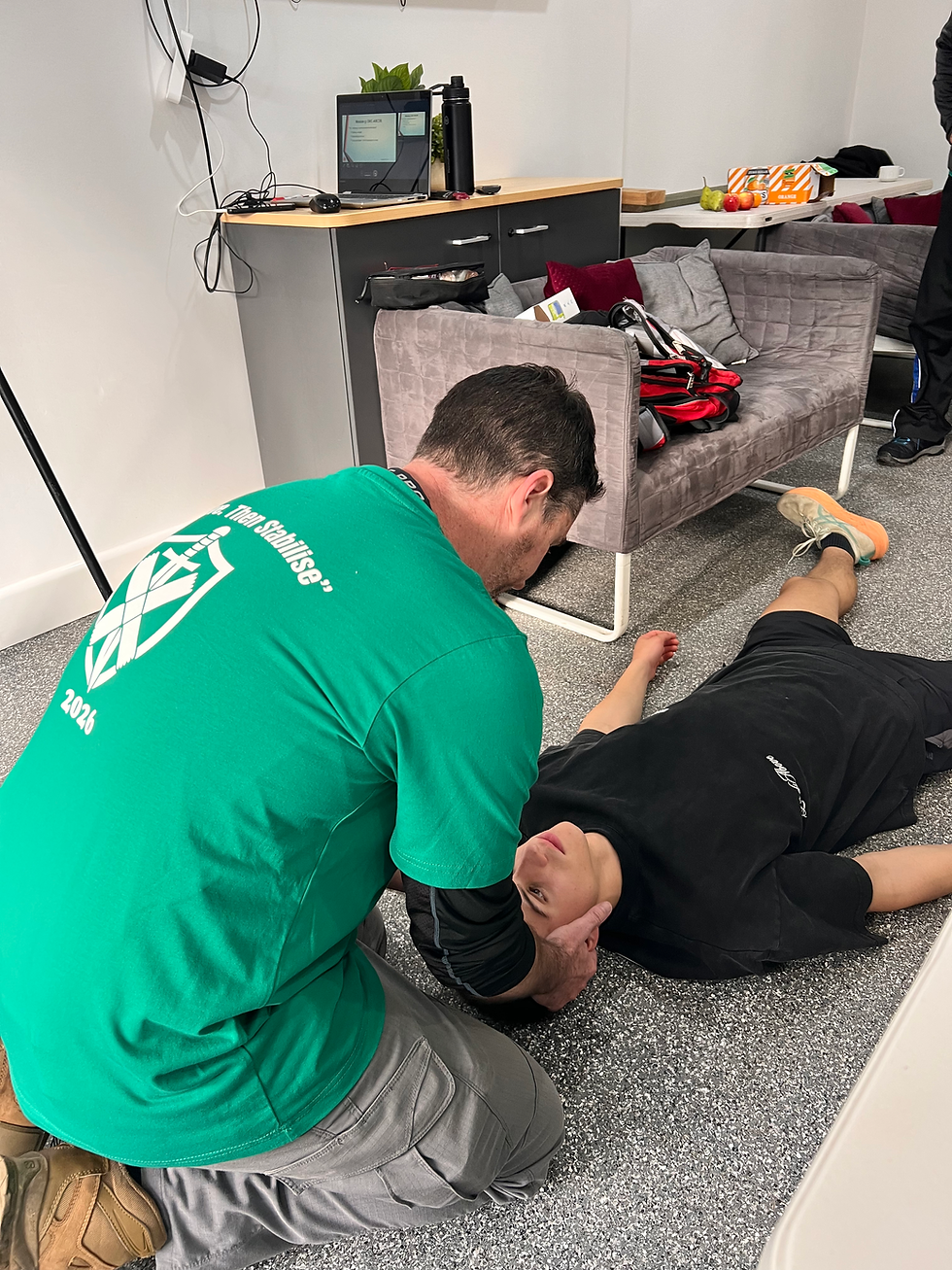
Over the weekend, participants immersed themselves in an intensive learning experience focused on emergency response, personal resilience, and practical decision-making under pressure.
The Community Trauma First Responder (CTFR) Foundations program is designed to equip everyday people with the knowledge, skills, and confidence to respond effectively when seconds count. Through a combination of theory, practical exercises, and scenario-based training, participants developed the ability to think clearly, act decisively, and support others during critical incidents.
CTFR Foundations
The CTFR Foundations program provides a practical framework for managing emergencies before professional help arrives. Participants learned how to assess situations, prioritise actions, and take effective steps to preserve life and reduce harm.
The focus was not simply on learning procedures, but on developing the mindset required to remain calm, adaptable, and effective in high-stress situations.
Understanding DRC-ABCDE Response Principles
A cornerstone of the training was the DRC-ABCDE emergency response system, a proven method used by emergency services and first responders worldwide.
Participants learned how to:
Identify and manage immediate dangers.
Assess responsiveness and consciousness.
Maintain and protect the airway.
Evaluate breathing effectiveness.
Monitor circulation and identify life-threatening bleeding.
Assess disability and neurological function.
Manage environmental factors and exposure.
Through practical exercises, students gained confidence in applying a structured approach to emergency situations, ensuring that critical issues are identified and addressed in the correct order.
Scene Awareness and Decision-Making Using the OODA Loop
One of the key concepts explored throughout the weekend was situational awareness and rapid decision-making using the OODA Loop framework.
Originally developed by military strategist Colonel John Boyd, OODA stands for:
Observe
Orient
Decide
Act
Participants learned how this decision-making cycle can be applied to emergency situations, personal safety incidents, and dynamic environments where information changes rapidly.
By continually observing and reassessing their surroundings, participants developed the ability to make better decisions under pressure and adapt to changing circumstances while maintaining safety for themselves and others.
Recognising and Managing Shock and Hypothermia
Shock and hypothermia are often overlooked but can become life-threatening if not recognised and managed quickly.
Participants learned to identify the early signs and symptoms of both conditions and understand the physiological effects they have on the body.
Training focused on practical interventions including:
Maintaining body temperature.
Monitoring casualty condition.
Managing circulation issues.
Preventing deterioration while awaiting further medical assistance.
Understanding these conditions provides a critical advantage in both trauma and environmental emergencies.
Calm Communication Under Stress
Technical skills alone are not enough during an emergency. Effective communication can significantly influence outcomes and help maintain control during chaotic situations.
Throughout the weekend, participants practised techniques for:
Delivering clear and concise instructions.
Managing emotional responses in themselves and others.
Reducing panic and confusion.
Establishing leadership and reassurance during incidents.
By developing calm and effective communication skills, participants gained greater confidence in their ability to support injured persons, coordinate assistance, and contribute positively during stressful events.
More Than Just First Aid
The CTFR Foundations program is about more than learning emergency procedures. It is about developing the mindset, awareness, and resilience required to respond effectively when faced with uncertainty and adversity.
Over the course of the weekend, participants challenged themselves physically and mentally, built strong teamwork skills, and stepped beyond their comfort zones. The result was a group of individuals who left with greater confidence, practical capability, and a deeper understanding of what it means to be prepared.
As we often say in CTFR:
"You are your own first responder."
Congratulations to everyone who participated and committed themselves to becoming more capable, more resilient, and better prepared to help others when it matters most.
We are able to hold this workshop at your workplace, a great Team Building exercise.


Comments